
Oral Hygiene in Torrance, CA | Moa Dental
If you brush, floss, and visit the dentist twice a year, you’re doing better than most. But the small details of how you take care of your mouth — the toothbrush you pick, the angle you brush at, whether you skip flossing when you’re tired — make a bigger difference than most people realize.
At Moa Dental, we help patients across the South Bay build smarter daily routines that genuinely protect their teeth and gums. Here’s everything you need to know about practicing strong oral hygiene in Torrance, CA.
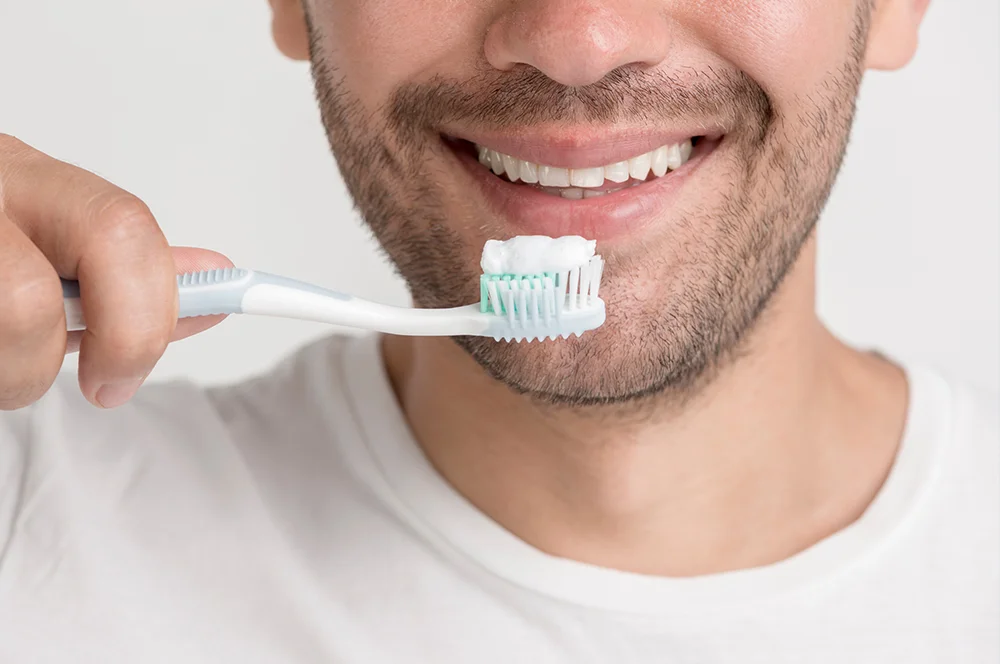
How to Brush — The Right Way
Most people brush. Fewer brush well. If you want maximum protection from cavities and gum disease, technique matters as much as time.
- Pick the right brush. Always choose soft bristles. Medium and hard brushes can wear away enamel and damage gum tissue.
- Angle the bristles at 45° where your teeth meet your gums.
- Use small, circular strokes rather than aggressive scrubbing. Heavy pressure doesn’t clean better — it just causes recession.
- Brush the outside, inside, and chewing surfaces of every tooth. Don’t rush through the back molars.
- Stand the brush vertically to reach behind your front teeth.
- Brush your tongue and gumline. Both harbor bacteria that cause bad breath.
- Stick with two full minutes, twice a day.
A quick mirror check helps you catch the spots you typically miss.
Why Oral Hygiene Is Worth Taking Seriously
The statistics tell a sobering story. Adults over 35 lose more teeth to gum disease than to cavities, and roughly three out of every four adults will deal with some form of periodontal disease in their lifetime. Both conditions share the same root cause: bacterial plaque — a sticky, colorless film that constantly forms on your teeth.
When plaque isn’t removed daily, it hardens into tartar, irritates your gums, and quietly erodes the bone that anchors your teeth. The good news? Plaque is also one of the easiest dental problems to control. A few minutes a day is all it takes.
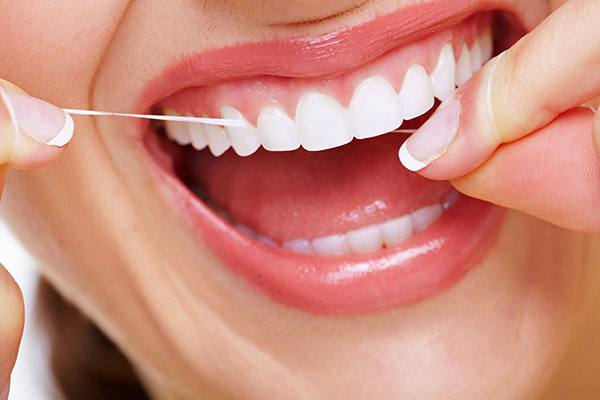
Don't Skip the Floss
Floss reaches the 40% of the tooth surface that a toothbrush can’t — between teeth and just below the gumline. Skipping it is like washing only the front of your car.
If string floss is awkward, try:
- Floss picks for one-handed convenience
- Water flossers for braces, implants, or bridges
- Interdental brushes for wider gaps between teeth
The best flossing tool is the one you’ll actually use every day.
Choosing the Right Products
Walk down any toothpaste aisle, and the choices are overwhelming. Here’s how to cut through the noise:
- Toothbrushes — Manual or electric, both can work. Electric brushes (Sonicare, Oral-B) tend to remove more plaque, especially helpful for kids, seniors, or anyone with limited mobility.
- Fluoride toothpaste — Reduces decay by up to 40% when paired with brushing and flossing.
- Tartar-control toothpaste — Helps slow buildup above the gumline, but doesn’t address gum disease below the gumline.
- Anti-plaque mouth rinses — Look for the ADA Seal of Acceptance. Useful for patients with early gum disease.
- Water flossers and interdental brushes — Excellent supplements. Used properly, they’re gentle and effective. Used aggressively, they can hurt the gums — so ask us for guidance.
Not sure what to buy? Bring your current products to your next visit, and we’ll tell you which ones are doing their job.
Handling Sensitive Teeth
Tooth sensitivity is common — especially after dental work, whitening, or in patients with gum recession. Mild sensitivity usually fades quickly if your mouth stays clean. If brushing slips, sensitivity often worsens.
If hot, cold, or sweet foods cause sharp pain that lingers, ask your dentist about:
- A desensitizing toothpaste like Sensodyne or a similar formula
- Fluoride rinses or gels to strengthen enamel
- In-office fluoride or sealant treatments
- A nightguard if grinding is part of the problem
Daily Habits That Make a Big Difference
- Replace your toothbrush every 3 months (or after illness)
- Drink water after meals to rinse away food and bacteria
- Limit sugary snacks and sipping on soft drinks
- Chew sugar-free gum after meals to boost saliva
- Quit tobacco — it’s one of the biggest drivers of gum disease
- Visit Moa Dental every six months
Ready to Improve Your Smile?
Strong daily habits plus regular checkups equal a smile that lasts a lifetime. Schedule your oral hygiene visit in Torrance with Moa Dental today and let our team help you build a routine that actually works.
Frequently Asked Questions
Two full minutes, twice a day. Most people stop around 45 seconds without realizing it.
Either works — but if you brush after, wait 30 minutes after acidic foods or drinks (juice, coffee) so the enamel isn’t softened when you brush.
Both. Brushing handles tooth surfaces; flossing handles the spaces between. Skipping one leaves a real gap in your routine.
It’s not required, but an ADA-approved anti-plaque or fluoride rinse can be a useful addition — especially for cavity-prone patients.
Usually, because they’re inflamed. Keep flossing gently, and most patients see bleeding stop within a week or two.
Strong evidence links gum health to heart disease, diabetes control, and respiratory infections.