
Tooth Extraction in Torrance, CA
Get gentle tooth extractions in Torrance, CA with advanced care for a comfortable procedure and faster healing.
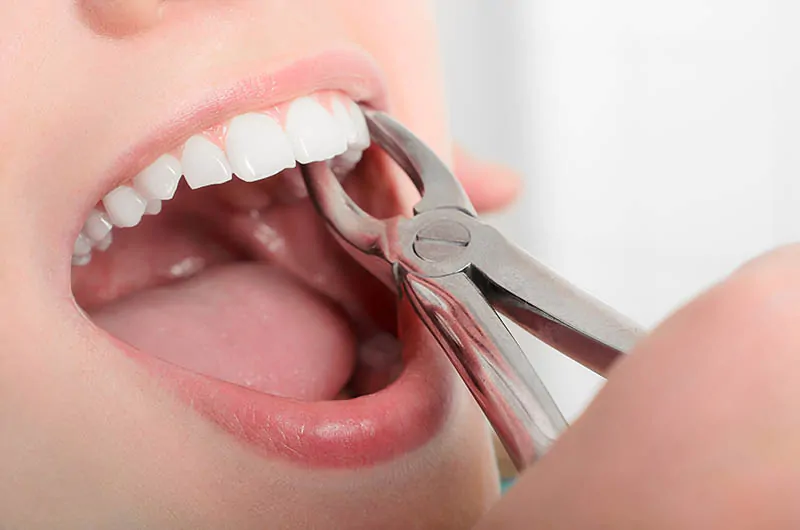
Tooth Removal for Lasting Pain Relief and a Healthier Smile
When Is an Extraction the Right Choice?
- Severe decay that has destroyed too much tooth structure to restore
- A cracked tooth that extends below the gumline
- Advanced gum disease that has eroded the bone supporting the tooth
- Impacted teeth, especially wisdom teeth, that can’t erupt normally
- Overcrowding needs to be resolved before orthodontic treatment
- Stubborn infections that don’t respond to root canal therapy
- Baby teeth that won’t fall out on their own and are blocking adult teeth
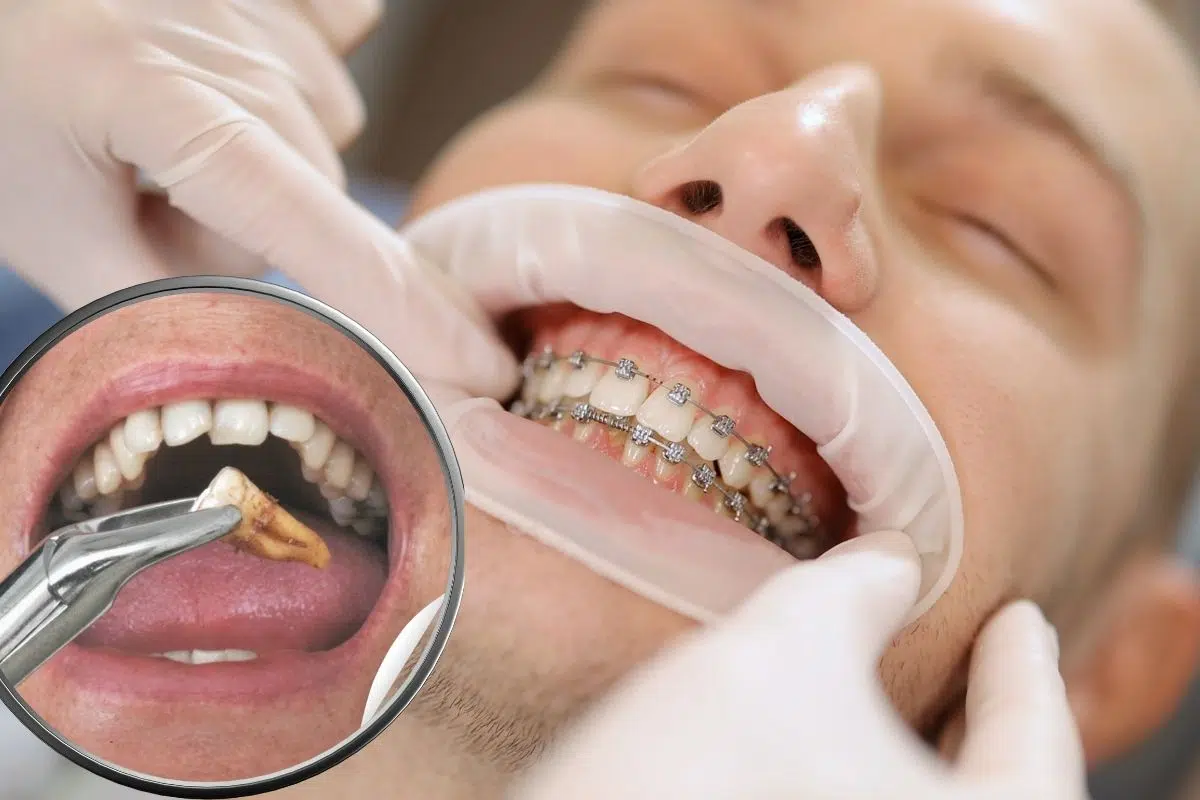
Simple vs. Surgical Extractions
Simple extractions — Performed on visible teeth using local anesthetic. The tooth is gently loosened and lifted out in one piece. Most patients are in and out in under 30 minutes.
Surgical extractions — Used for teeth that are broken at the gumline, impacted, or have curved roots that don’t release easily. The procedure may involve a small incision in the gum and, in some cases, sectioning the tooth so it can be removed in pieces.
Both are routine, well-tolerated procedures in modern dentistry.
Sectioning Explained
What to Expect During Your Appointment
- Imaging and exam — Digital X-rays let us see the tooth, its roots, and the surrounding bone.
- Anesthesia — Local anesthetic completely numbs the tooth, jawbone, and surrounding gums. Sedation options are available for anxious patients.
- Loosening the tooth — You’ll feel pressure (not pain) as the socket gently widens.
- Removal — The tooth is lifted out in one piece or in sections.
- Cleaning the socket — Bacteria and debris are removed to support clean healing.
- Stitches (if needed) — Dissolvable sutures may be placed for surgical extractions.
- Gauze placement — To encourage a healthy blood clot.
Why Replacing the Tooth Matters
Before your tooth removal, your dentist will discuss replacement options:
- Dental implants — The closest match to a natural tooth
- Fixed bridges — A great option when adjacent teeth need crowns anyway
- Partial dentures — Affordable, removable replacements for one or more missing teeth
Planning the replacement before the extraction makes everything easier later.
When to Call Us
- Heavy bleeding that doesn’t slow after several hours
- Severe pain not relieved by medication
- Swelling that worsens after 3 days
- Fever, chills, or a foul taste in your mouth
- A reaction to your medication

Tooth Extraction Recovery: What to Expect Day by Day
Day 1 — Protect the clot. Bite on the gauze pad for 30–45 minutes. Avoid rinsing, spitting, smoking, drinking through a straw, or strenuous activity for the next 24 hours. Apply ice to your cheek in 10-minute intervals.
Day 2 to 3 — Manage swelling and discomfort. Swelling peaks at the 48-hour mark, typically, and then improves. Continue soft foods (yogurt, soup, mashed potatoes) and follow your prescribed pain medication schedule.
Day 4 to 7 — Resume routine. Most patients feel back to normal within a week. Gently brush and floss around (not at) the extraction site and rinse with warm salt water two to three times a day.
Weeks 2 to 4 — Full healing. The socket fully closes, and new tissue forms. If you’re getting a dental implant, this is often when we begin planning the next step.

Ready to Improve Your Smile?
If you’re dealing with a damaged, painful, or problematic tooth, don’t put it off. Schedule your tooth extraction consultation at Moa Dental today — and let our gentle team get you out of pain and back to smiling.
Frequently Asked Questions
You’ll feel pressure during the procedure but not pain. Mild soreness afterward is normal and is easily controlled with medication.
Most simple extractions are finished in 20–40 minutes. Surgical extractions take a bit longer, depending on complexity.
Stick to soft, lukewarm foods for the first 24 hours. Avoid straws, hot beverages, and crunchy foods.
Yes — unless you’ve received sedation, in which case you’ll need someone to drive.
Most patients return the next day. For surgical extractions, a day or two of rest is recommended.
The price depends on the complexity of the extraction and your insurance coverage. We’ll review your benefits and provide a clear estimate before treatment.