
Periodontal Treatment in Torrance, CA
Restore healthy gums with expert periodontal treatment to stop infection and protect your smile.
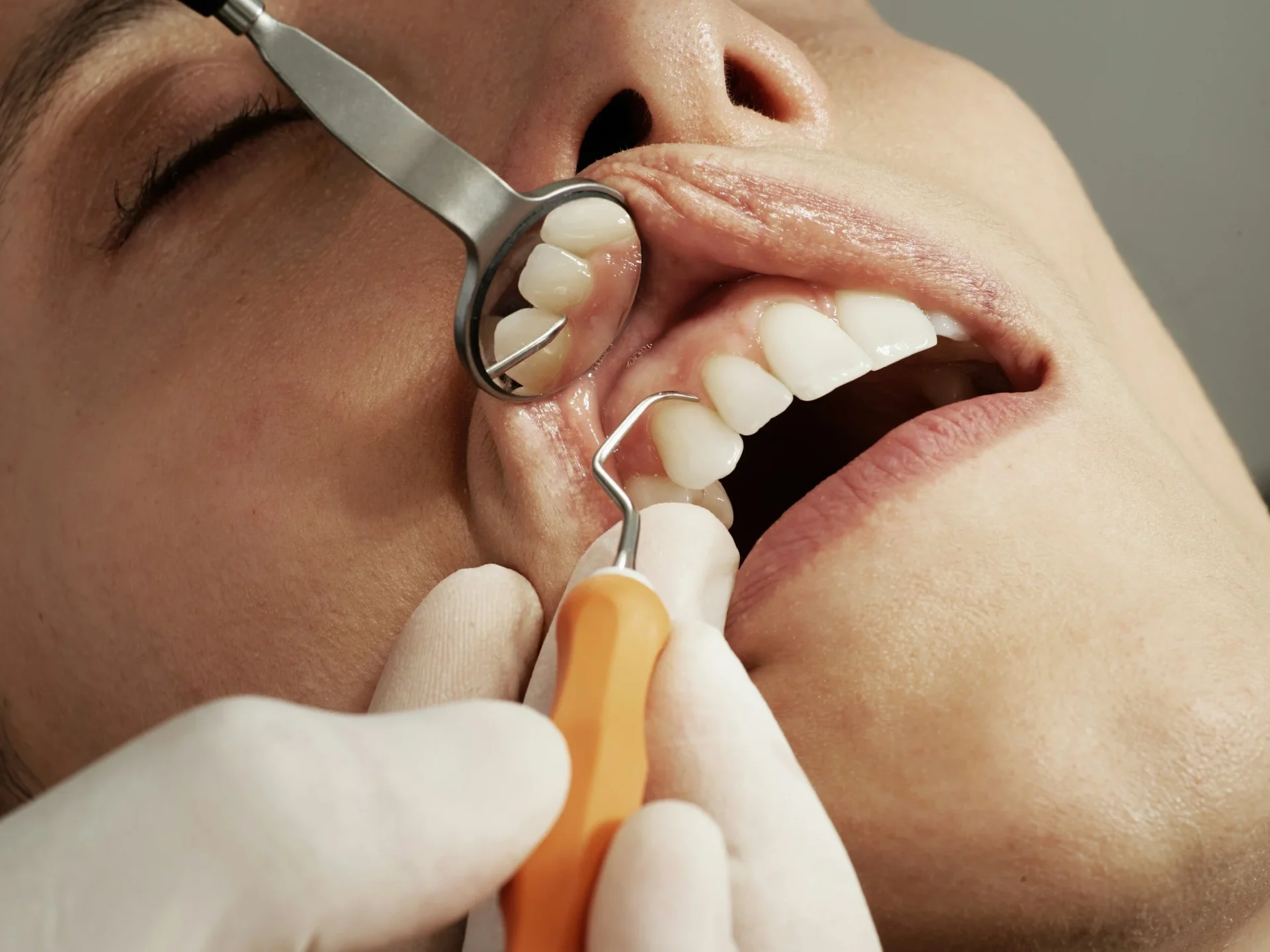
Periodontal Treatment for Healthier Gums and a Stronger Smile
Understanding Periodontal Disease
- Gingivitis — The earliest stage of gum disease, causing red, swollen, and bleeding gums. It is fully reversible with proper treatment and good oral hygiene.
- Mild Periodontitis — Bacteria spread below the gumline, forming pockets and beginning to damage the supporting bone.
- Moderate Periodontitis — Gum pockets deepen, bone loss progresses, and teeth may begin to feel loose.
- Advanced Periodontitis — Severe bone loss can cause teeth to loosen or fall out, often requiring advanced treatment or extraction.
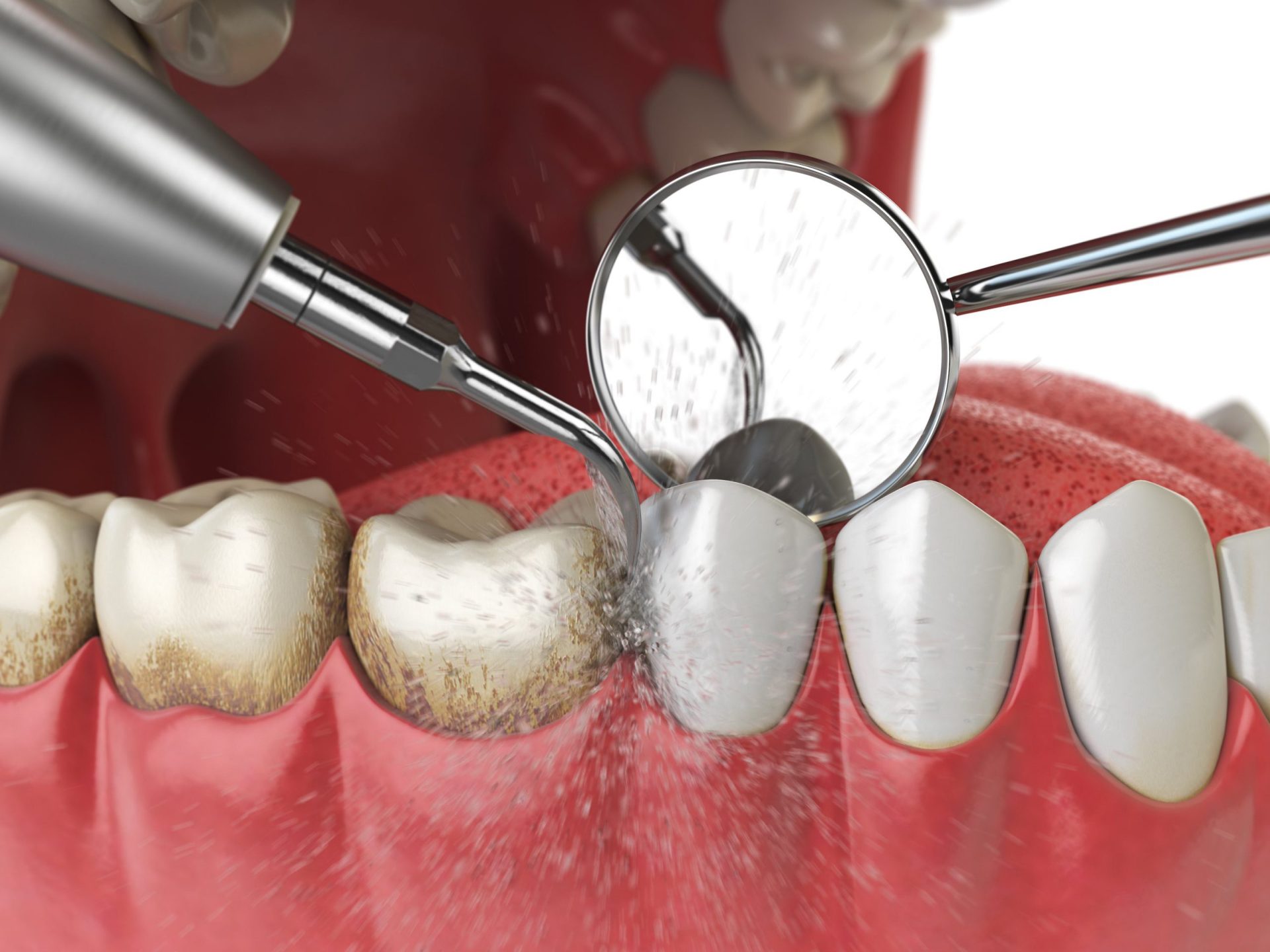
What Is Periodontal Maintenance — and Why Is It Different?
Risk Factors That Make Maintenance Especially Important
- Smoking and vaping — One of the leading preventable causes of gum disease.
- Diabetes — Poorly controlled blood sugar can increase the risk of gum infections.
- Chronic stress — Can weaken the immune system and reduce the body’s ability to fight infection.
- Teeth grinding and clenching (bruxism) — Places excessive pressure on the gums and supporting bone.
- Certain medications — Some medications reduce saliva production or contribute to gum overgrowth.
- Poor nutrition — Diets lacking essential nutrients, such as vitamin C and calcium, can affect gum health.
- Hormonal changes — Pregnancy, menopause, and other hormonal changes can make gums more sensitive.
- Genetics — Some people have a higher genetic risk of developing gum disease despite good oral hygiene.
What Happens During a Maintenance Visit
A typical appointment at Moa Dental lasts 45–60 minutes and includes:
- Health Review — We discuss any changes to your medical history, medications, or oral health concerns.
- Periodontal Evaluation — We measure gum pocket depths and compare them with previous visits to monitor your gum health.
- Gum Health Assessment — We check for bleeding, inflammation, and other signs of active gum disease.
- Plaque and Tartar Removal — We thoroughly remove plaque and tartar above and below the gumline using advanced instruments.
- Root Planing (If Needed) — Deep cleaning smooths root surfaces to help gums heal and reduce bacterial buildup.
- Teeth Polishing — We polish your teeth to remove surface stains and leave your smile feeling fresh.
- Targeted Antibacterial Therapy — Antimicrobial treatment may be applied to areas showing persistent infection.
- Personalized Home Care Guidance — We provide tailored brushing, flossing, and oral hygiene tips to help maintain healthy gums between visits.
Warning Signs You Shouldn't Ignore
- Gums that bleed when brushing or flossing
- Tender, swollen, or red gum tissue
- Persistent bad breath or a bad taste
- Gum recession or teeth that look longer
- Loose teeth or new gaps between teeth
- Changes in the way your bite feels
- Pus or discharge along the gumline
If you notice any of these, schedule a Torrance periodontal treatment evaluation right away — early action is always easier than late action.
Caring for Your Gums Between Visits
Maintenance only works when supported by strong daily habits. We recommend:
- Brushing twice a day with a soft or electric toothbrush
- Flossing daily, with special focus on the gumline
- Using an ADA-approved antimicrobial mouth rinse
- Drinking water throughout the day
- Cleaning around implants or bridges with specialty floss or a water flosser
- Quitting tobacco — gums begin to heal within weeks
- Keeping diabetes and other systemic conditions under control

Ready to Protect Your Smile?
Healthy gums are the foundation of every healthy smile. Schedule your periodontal treatment in Torrance, CA with Moa Dental today and let our team help you keep your teeth — and your confidence — for life.
Frequently Asked Questions
Most patients are seen every 3 to 4 months for maintenance. Your interval may be shorter or longer depending on how stable your gums are.
For most patients, no. Maintenance is comfortable and similar to a thorough cleaning. If you have sensitive areas, we can gently numb them.
For patients with a history of periodontitis, the answer is usually no. Maintenance is lifelong because gum disease is a chronic condition.
Most plans do. Our team will check your benefits before each visit and explain any out-of-pocket costs.
Pockets often deepen again within months, inflammation returns, and bone loss may resume. Skipping visits is the most common reason gum disease comes back.
Gingivitis can be reversed. Periodontitis can be managed and stabilized, but tissue that was already lost cannot regrow on its own — which is why ongoing care matters so much.
Yes — bleeding gums, swelling, new sensitivity, or a loose tooth. Don’t wait for your next appointment if anything feels off.