
Tooth Extraction Aftercare: The First 72 Hours (and How to Avoid Dry Socket)

The first few days after a tooth is pulled matter more than most people realize. What you do in those first 72 hours helps your mouth heal smoothly and lowers your risk of dry socket, which Mayo Clinic calls the most common complication after a tooth is removed.

The good news is that most people heal without trouble when they follow a few simple steps. This guide walks you through tooth extraction aftercare hour by hour, explains what dry socket looks and feels like, and shows you how to tell normal healing from something that needs a call to your dentist.

At Moa Dental in Torrance, these steps build on the day-by-day recovery guide on our tooth extraction page.

What Is Dry Socket?

After a tooth is removed, a blood clot forms in the empty socket. That clot covers the bone and nerve endings underneath, and it carries the cells the area needs to heal.

Man smiling in dentist chair during checkup

Dry socket, also called alveolar osteitis, happens when that clot doesn’t form, comes loose, or dissolves before the wound has healed. With the bone and nerves exposed, the area becomes very painful, and healing slows down.

According to Cleveland Clinic, dry socket affects about 2% to 5% of all tooth extractions, and it’s more common after wisdom teeth removal. It rarely leads to serious complications, but the pain can be intense, and over-the-counter pain relievers often aren’t enough.

Dry Socket Symptoms

If dry socket develops, the pain usually begins 1 to 3 days after the tooth is removed, according to Mayo Clinic. Watch for:

  • Severe pain that gets worse instead of better
  • Pain that spreads from the socket to your ear, eye, temple, or neck on the same side
  • A socket that looks empty, with part or all of the clot missing
  • Bone you can see in the socket
  • Bad breath or a bad taste in your mouth that won’t go away

Some soreness after an extraction is normal. The difference is the direction: normal soreness eases with time, while dry socket pain builds.

What Does Dry Socket Look Like?

A healthy socket holds a dark clot that looks a bit like a scab. Leave it alone, even if it looks strange.

A dry socket looks like an empty hole with a whitish layer at the bottom, which is exposed bone. Don’t confuse that with the soft, whitish film that can appear as the clot blends into new tissue, which Cleveland Clinic describes as a normal part of healing.

Tooth Extraction Aftercare: Your First 72 Hours

Your dentist’s instructions always come first, since every extraction is a little different. Here’s what healing usually looks like and what to do at each stage.

Before You Leave: A Quick Aftercare Checklist

Having a few things ready at home makes the first day much easier:

  • A cold pack, or ice wrapped in a thin towel
  • Soft foods, such as yogurt, applesauce, soup, and mashed potatoes
  • Table salt for gentle rinses starting on day 2
  • The pain reliever your dentist recommends
  • An extra pillow to keep your head raised

Before you go home, it also helps to ask:

  • Do I have stitches, and will they dissolve on their own?
  • Which pain medicine should I take, and how often?
  • When can I start salt water rinses and brush near the site?
  • When can I exercise, use a straw, or smoke again?
  • Who should I call if the pain gets worse after day 2?

The First Hour: Let the Clot Form

  • Bite gently on the gauze. Keep steady pressure for 30 to 45 minutes so a healthy clot can form.
  • Don’t keep checking. Pulling the gauze out every few minutes, or poking the site with your tongue, can disturb the clot.
  • Mind the numbness. Your lips and cheek may stay numb for a few hours, so avoid hot drinks and take care not to bite your cheek.
  • Rest with your head raised. Sitting or sleeping more upright can help with swelling.

The First 24 Hours: Protect the Clot

This is the most important day for preventing dry socket. For the first 24 hours:

  • Don’t rinse, spit, or swish. These can loosen the clot.
  • Don’t smoke or vape. Tobacco slows healing, and the sucking motion can pull the clot out too early.
  • Skip straws. Suction can dislodge the clot.
  • Use ice. Hold a cold pack wrapped in a cloth against your cheek in 10-minute intervals to help with swelling.
  • Eat soft, lukewarm foods. Yogurt, soup, mashed potatoes, and applesauce are easy choices.
  • Avoid alcohol and hot drinks.
  • Take it easy. Skip strenuous activity and heavy lifting.
  • Take your pain medicine as directed.

A little oozing or pink saliva is normal the first day and night. If bleeding picks up, place a clean, folded piece of gauze or a tea bag over the site and bite down gently for 10 to 15 minutes.

If heavy bleeding doesn’t slow after several hours, call us right away.

Day 2 (24 to 48 Hours): Gentle Cleaning Begins

  • Start warm salt water rinses. Mayo Clinic suggests 1/2 teaspoon of salt in 8 ounces of warm water. Tilt your head so the water bathes the area, then let it fall out instead of spitting.
  • Rinse two to three times a day, especially after meals, to keep food out of the socket.
  • Brush your other teeth as usual, staying away from the extraction site.
  • Expect swelling to peak around the 48-hour mark, then start to improve.
  • Keep eating soft foods, and chew on the other side of your mouth.
  • Hold off on the gym. Cleveland Clinic suggests skipping workouts for the first 48 to 72 hours, since a higher heart rate can increase bleeding and pain.

Day 3 (48 to 72 Hours): What the Extraction Site Should Look Like

By day 3, swelling should be going down. Soreness may still be noticeable, since Cleveland Clinic notes that day three is often the most uncomfortable day.

The tooth extraction site after 3 days should still have a dark clot, sometimes with a soft whitish film starting to form. An empty-looking socket, visible bone, or pain that suddenly gets worse are the warning signs to call about.

  • Keep up salt water rinses after meals.
  • Add a little more variety, such as eggs, pasta, or rice, while skipping hard, crunchy, and chewy foods.
  • Still avoid smoking. Mayo Clinic advises waiting at least 48 hours, and longer if you can.

What to Eat After Tooth Extraction

Soft, cool, or lukewarm foods protect the clot and keep chewing to a minimum. Here’s a simple guide for the first week:

WhenGood choicesSkip for now
First 24 hoursYogurt, applesauce, lukewarm soup, mashed potatoesHot drinks, alcohol, straws
Days 2 to 3Add eggs, pasta, rice, bananas, avocadoFizzy drinks, crunchy or chewy foods
Days 4 to 7Soft foods that need little chewingHard foods like chips and nuts

Smoothies are fine if you eat them with a spoon. Drink plenty of water, too. If chewing still hurts after a week, check with your dentist.

How to Prevent Dry Socket

You can’t control every risk, but these steps make dry socket less likely:

  • Stop smoking before your extraction, and stay off tobacco while you heal. Cleveland Clinic notes that people who smoke are over three times more likely to develop dry socket.
  • Protect the clot for the first 24 hours. No rinsing, spitting, or poking the area with your tongue or fingers.
  • Skip straws for at least the first 24 hours. Mayo Clinic and Cleveland Clinic suggest a full week to be safe.
  • Avoid fizzy and hot drinks while the socket heals.
  • Keep your mouth clean. Brushing twice a day and flossing once a day before your extraction lowers bacteria around the site.
  • Tell your dentist about every medicine and supplement, including birth control pills. Some can affect clotting or healing.
  • Follow your aftercare instructions on activity, food, and rinsing, even once you start feeling better.
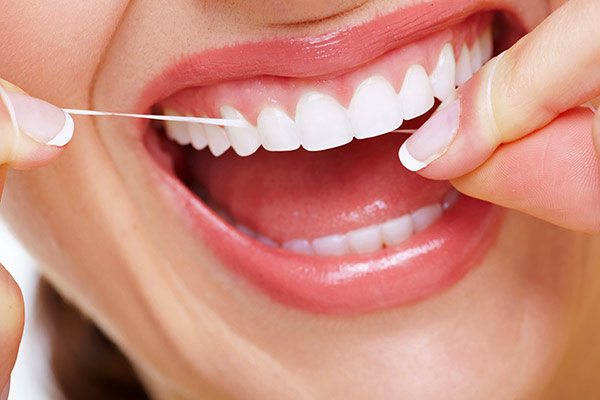
A woman flossing her teeth for dental hygiene

What Causes Dry Socket, and Who Is at Higher Risk?

Researchers still don’t know exactly why the clot fails in some people and not others. Your risk is higher if you:

  • Smoke or use other tobacco products
  • Take birth control pills that contain estrogen
  • Have poor oral hygiene or an infection around the tooth
  • Have a difficult extraction, including some wisdom teeth
  • Have had dry socket before

If any of these apply, tell your dentist before your extraction.

Planning an extraction, or have questions about one?

Dry Socket vs Normal Healing

A normal socket after tooth extraction can look strange at first. Use this side-by-side as a quick check:

Normal healingPossible dry socket
Soreness that holds steady, then easesPain that gets much worse 1 to 3 days after the extraction
Pain eased by the medicine your dentist recommendsSevere pain that medicine doesn’t control
Dark clot, later a soft whitish filmEmpty-looking socket or visible bone
Swelling that peaks around day 2, then fadesPain spreading to your ear, eye, temple, or neck

If your symptoms sit in the right-hand column, don’t wait it out. Call your dentist.

Dry Socket Treatment: What to Do If You Think You Have It

Dry socket is treatable, and many people start to feel relief once treatment begins. Treatment focuses on easing pain and helping the socket heal. Your dentist may:

  • Gently flush the socket to remove food and debris
  • Place a medicated dressing or paste in the socket, which sometimes needs to be changed
  • Recommend or prescribe pain medicine
  • Prescribe antibiotics if there are signs of infection
  • Show you how to rinse the socket at home with salt water or a prescribed rinse

With proper care, a dry socket usually heals within 7 to 10 days, according to Cleveland Clinic.
Dentist and assistant in protective gear treating a patient in the dental chair

When to Call Us Right Away

Contact Moa Dental right away if you have:

  • Heavy bleeding that doesn’t slow after several hours
  • Severe pain that your medication doesn’t relieve
  • Swelling that gets worse after 3 days
  • Fever, chills, or a foul taste in your mouth
  • A reaction to your medication

If you have trouble breathing or swallowing, go to the emergency room right away. If you can’t reach the dentist who treated you and the pain is severe, Cleveland Clinic suggests urgent care or the nearest emergency room.

Our office is open Monday, Wednesday, Thursday, and Friday from 9 AM to 6 PM, with same-day visits when available. Learn more on our emergency dentist in Torrance page, or read our dental emergency guide to see what counts as urgent.

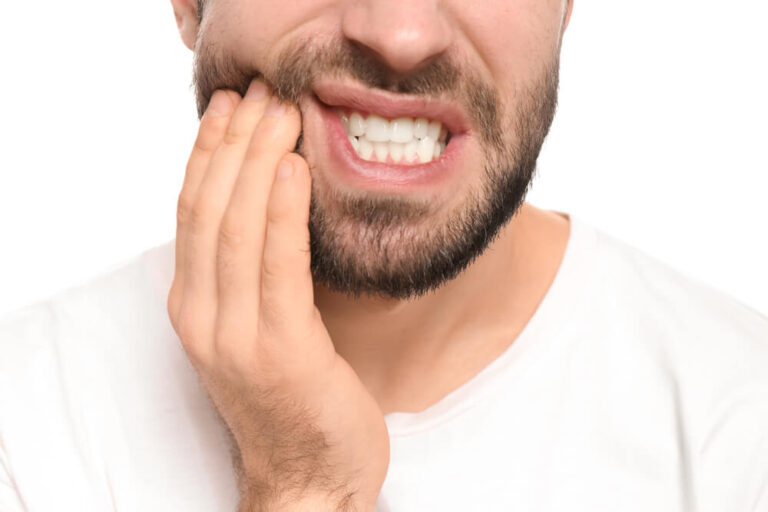
Tooth Extraction Healing Stages After the First 72 Hours

An empty socket heals from the bottom up. Cleveland Clinic describes the stages like this:

  1. Clot. A blood clot forms and protects the bone and nerves.
  2. Whitish film. The clot blends with nearby tissue and may look whitish, which is normal.
  3. New tissue. The socket fills in, sometimes leaving a small dip in the gum.
  4. Healed gums. The new tissue looks healthy.

Days 4 to 7: Most people feel back to normal within a week. Gently brush and floss around (not at) the extraction site, and keep rinsing with warm salt water two to three times a day.

Weeks 2 to 4: The socket closes, and new tissue forms. The bone underneath takes longer, and for a large tooth like a molar, Cleveland Clinic notes the jaw can take up to four months to fully heal.

Most people return to work or school the day after a simple extraction. After a surgical extraction, a day or two of rest is recommended, and any dissolvable stitches break down on their own.

Planning to Replace the Tooth

A missing tooth rarely stays an isolated problem. Over time, nearby teeth can drift into the gap, your bite can change, and the bone in the empty socket can shrink.

Common replacement options include dental implants, dental bridges, and partial dentures. If you’re weighing the last two, our guide to choosing between a partial denture and a bridge walks through the trade-offs.

If you’re getting a dental implant, weeks 2 to 4 are often when we begin planning the next step. If you have questions while you heal or need a tooth removed, call Moa Dental at (310) 530-2875, request an appointment online, or visit us at 3226 Sepulveda Blvd, Torrance, CA 90505.

Frequently Asked Questions

How long after a tooth extraction can I get dry socket?

Dry socket pain usually begins 1 to 3 days after the tooth is removed. Cleveland Clinic notes that if you haven’t had symptoms by day five, you’re likely in the clear.

What does dry socket feel like?

It’s usually a strong, throbbing pain that gets worse a few days after the extraction instead of better. The pain often spreads toward your ear, eye, temple, or neck on the same side, and over-the-counter pain relievers often aren’t enough.

How long should I keep gauze in after a tooth extraction?

Bite on the first gauze pad for 30 to 45 minutes to help the clot form. If light bleeding starts again, bite gently on a fresh piece of gauze or a tea bag for 10 to 15 minutes. Call us if heavy bleeding doesn’t slow after several hours.

Can I use a straw after a tooth extraction?

Avoid straws for at least the first 24 hours, since suction can pull the clot loose. Mayo Clinic and Cleveland Clinic suggest skipping them for a full week to be safe.

When can I smoke after a tooth extraction?

Wait as long as you can. Mayo Clinic advises not smoking or using tobacco for at least 48 hours, and Cleveland Clinic notes that people who smoke are over three times more likely to develop dry socket.

When can I eat solid food after a tooth extraction?

Stick to soft, lukewarm foods for the first 24 hours, then slowly add soft foods that need little chewing. Most people feel back to normal within about a week, but skip hard, crunchy, and chewy foods until the site has healed.

Is the white stuff in my extraction site dry socket?

Not usually. A soft whitish film can form as the clot blends into new tissue, and that’s a normal part of healing. Dry socket looks more like an empty hole with exposed bone, and it comes with severe, worsening pain.

Is dry socket an emergency?

It rarely causes serious complications, but it can be very painful, so call your dentist if your pain gets worse a few days after an extraction. If you have trouble breathing or swallowing, go to the emergency room right away.

On this page

Book Your Visit

Have a question about this topic? Our team is happy to help.

Related guides

Scroll to Top