Researchers estimate that about 10 million people in the United States experience TMJ disorder. Some people worry that surgery is the only form of treatment for TMJ disorder. TMJ disorder causes pain and discomfort and manifests itself through clicking and popping of the jaw and headaches. However, this is not the case. There are many non-surgical treatment options for TMJ disorder. Non-surgical treatment is effective in the large majority of TMJ cases. Moa Dental aims to provide non-invasive and effective treatment options and keep patients away from the surgical treatment of TMJ disorder. Here is the best of our knowledge on the treatment options.
What Is TMJ Disorder?
Your temporomandibular joints (TMJ) are the hinges that connect your jaw to your skull, allowing you to talk, chew, and yawn. When these joints and the surrounding muscles don’t work smoothly, it’s known as a TMJ disorder, or TMD.
Common causes include teeth grinding or clenching, stress, a misaligned bite, jaw injury, and arthritis. Because these triggers vary, the best TMJ treatment is always tailored to the root cause — which is exactly how we approach it at Moa Dental.
Common Symptoms of TMJ Disorder
TMJ issues show up in more ways than you might expect. You may have a TMJ disorder if you experience:
- TMJ jaw pain or tenderness
- Clicking, popping, or grinding sounds when you move your jaw
- Difficulty or discomfort while chewing
- A jaw that locks or feels stuck
- Frequent headaches or migraines
- Ear pain or ringing
- Facial pain, tension, or tender TMJ trigger points in the jaw muscles
If these symptoms persist, it’s worth having your jaw evaluated before the problem worsens.
Why Try Non-Surgical TMJ Treatment First?
Surgery is only necessary in the most extreme and unmanageable cases of TMJ. Non-surgical treatment of TMJ is the preferred method of treatment. The treatment is quick and manages the pain and discomfort of TMJ. The non-surgical methods are quick and effective to ease discomfort and restore jaw function. Non-surgical treatments do not have the risks and long recovery time of surgery. For these reasons, non-surgical treatment is always preferred.
Non-Surgical TMJ Treatment Options
Every treatment plan is personalized, often combining several of the following TMJ pain solutions:
Custom Nightguards and Oral Appliances
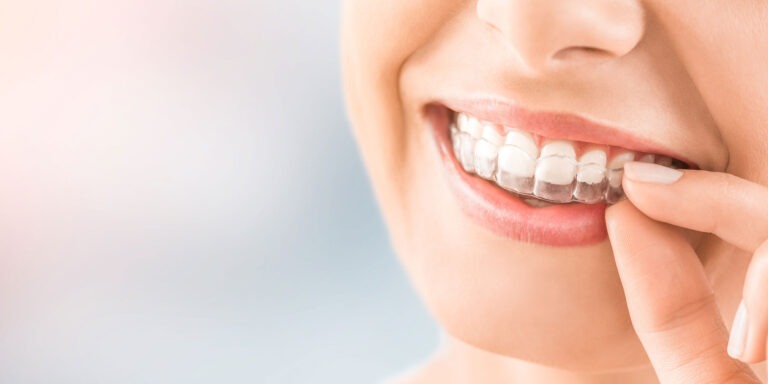
Custom TMJ mouth guards are cushioned guards that reposition the jaw. They are meant to be worn while sleeping to prevent the jaw from clenching and grinding. During the day, some people use dental splints for TMJ, which are also classified as TMJ oral appliances. Another method for TMJ management is splint therapy. It relieves pressure and is highly effective.
Bite Correction
If a misaligned bite is contributing to your TMJ jaw pain, adjusting how your teeth come together can relieve stress on the joint and muscles.
TMJ Physical Therapy and Jaw Exercises
TMJ physical therapy uses targeted stretches and strengthening exercises to improve jaw mobility, reduce muscle tension, and support healing. We can guide you through simple movements that make a real difference over time.
Massage and Stress Management
Stress can cause clenching, and relaxation techniques can alleviate some of the symptoms of stress. TMJ massage therapy releases tight muscles and tender trigger points. Including deep breathing and mindfulness can reduce the clenching that makes the joint worse. All of them work really well for overall jaw tension.
Lifestyle and Home Remedies
Simple TMJ home remedies, such as eating softer foods, avoiding gum and hard or chewy snacks, and applying warm or cold compresses, can ease symptoms and give your jaw a chance to rest.
Medications
When appropriate, over-the-counter anti-inflammatories or muscle relaxants can provide short-term jaw pain treatment as part of a broader plan.
Orthodontic Treatment
For long-term relief, correcting alignment or bite issues with orthodontics or clear aligners can address the structural causes of TMJ, preventing symptoms from returning.
At-Home TMJ Home Remedies for Jaw Tension Relief
While professional care offers the best results, these simple steps can help ease discomfort right away:
- Stick to soft foods and cut items into small pieces
- Apply a warm compress to relax tight muscles, or a cold pack to reduce swelling
- Gently massage tender TMJ trigger points along the jaw
- Avoid chewing gum and biting hard objects
- Practice gentle jaw stretches and avoid clenching
- Be mindful of your posture, especially at a desk
How Moa Dental Diagnoses and Treats TMJ
Moa Dental strives to create a treatment plan that works for you. To get a clearer picture of your TMJ disorder, we will assess your jaw, your bite, your symptoms, and possibly take some scans to gather more information. To effectively relieve your pain, we typically create a plan that includes an oral device, splint, physical therapy, and possible lifestyle changes. This plan is constructed to not only relieve pain but also restore the functionality of your jaw as well.
When to See a Professional
Don’t ignore TMJ symptoms that linger or worsen. Reach out if you experience:
- Persistent or worsening jaw pain
- A jaw that frequently locks or won’t open fully
- Pain that interferes with eating, sleeping, or daily life
- Chronic headaches or ear pain
Early treatment is simpler and more effective, helping you avoid more involved care down the road.
Find Relief from Jaw Pain — Book a Consultation
You don’t have to live with jaw pain, and you don’t have to jump straight to surgery. With the right non-surgical TMJ plan, most symptoms can be effectively managed. The caring team at Moa Dental is here to help.
Book your TMJ evaluation with Moa Dental today and take the first step toward a comfortable, pain-free smile.
Frequently Asked Questions
1. Can TMJ go away on its own?
Mild symptoms sometimes improve with rest and home care. However, if they persist or worsen, professional treatment is important to prevent the condition from becoming chronic.
2. What is the best TMJ treatment?
It depends on the cause. For many patients, a custom oral appliance combined with TMJ physical therapy and lifestyle changes provides excellent relief. We’ll tailor a plan to your needs.
3. What are the best TMJ home remedies?
Soft foods, warm or cold compresses, gentle jaw stretches and massage, avoiding gum, and reducing stress can all help with jaw tension relief between visits.
4. Does a night guard help with TMJ?
Yes. A custom TMJ mouth guard is one of the most effective non-surgical treatments, protecting your teeth and relieving pressure caused by grinding and clenching.
Keep Reading